مقاله سبک بقایی نئوسرود اعتراضی (ادبیات توسعه)::
نئوسرود اعتراضی: سبک دکتر حجت بقایی در نوشتن ترانههای انتقادی
نئوسرود اعتراضی یک فرم هنری و ادبی است که در آن هنرمند با استفاده از زبانی نو و بافتی متفاوت، به نقد اجتماعی، سیاسی و فرهنگی میپردازد. دکتر حجت بقایی به عنوان یکی از چهرههای برجسته در این حوزه شناخته میشود. او با تلفیق احساسات عاشقانه و انتقادی در آثارش، موفق به ایجاد بیانی خاص و منحصربهفرد در ترانههای خود شده است.
نشریه الکترونیکی یک کتاب _ سرویس نقد ادبی|| تعریف نئوسرود اعتراضی: نئوسرود اعتراضی به معنای ابراز ناراحتی و اعتراض از طریق هنر است.
سبک ابتکاری "نئوسرود اعتراضی" (Neo-Protest Anthem) ترکیبی از وزن و زبان شعر کلاسیک فارسی با لحن خشمگین، مستقیم و مدرن ترانههای اعتراضی معاصر است که بهشدت بر واقعیتهای اجتماعی و سیاسی متمرکز است. این نوع ترانهها به نقد قدرتها، نابرابریها و مسائل اجتماعی معاصر میپردازند. هنرمند با استفاده از تصاویری قوی و زبانی پویا، احساسات و انتقادات خود را منتقل میکند و بدین ترتیب، صدای مظلومین و آسیبدیدگان جامعه را به گوش میرساند.
این ژانر، برخلاف اعتراضات صرفاً سیاسی، بر جنبههای عاطفی و انسانی تأثیرات ساختارهای غلط اجتماعی تمرکز دارد. میتوان گفت که فرمول کلی این نوع شعر، ابراز نارضایتی از طریق یک بستر زیباییشناسانه با هدف ایجاد تحول است:
✓ویژگیهای سبک دکتر حجت بقایی: دکتر بقایی در آثار خود مجموعهای از تکنیکهای ادبی و محتوایی را به کار میگیرد که سبک او را متمایز میسازد:
- زبان شاعرانه و تصویری: دکتر بقایی از زبانی شاعرانه و تصویرسازیهای زیبا در ترانههای خود استفاده میکند. این ویژگی باعث میشود که اشعار او نه تنها از نظر معنا، بلکه از نظر زیباییشناختی نیز جذاب باشند. استفاده از استعارههای پیچیده و توصیفات چندلایه، عمق معنایی اثر را افزایش میدهد.
- ترکیب احساسات: در آثار وی، حس عشق و تعلق به جامعه با حس اعتراض و نارضایتی از وضعیت موجود ترکیب میشود. این دوگانگی (عشق به آرمانها در برابر نفرت از واقعیت موجود) معمولاً به اشعار او عمق و غنای بیشتری میبخشد. این تضاد میتواند در قالب «عشق از دست رفته» یا «وطن آرمانی» نمود پیدا کند.
- انتقاد اجتماعی: دکتر بقایی به شکل موشکافانهای به نقد مسائل اجتماعی و سیاسی پرداخته و از تجربیات خود برای ابراز نظراتش بهره میبرد. او به مسائل نظیر فساد، بیعدالتی، و تبعیض توجه خاصی دارد. او اغلب از تحلیلهای اجتماعی سطحنگر پرهیز کرده و ریشههای ساختاری مشکلات را مورد هدف قرار میدهد.
- استفاده از نمادها و موتیف ها: نمادهای فرهنگی و اجتماعی در شعرهای او به وفور یافت میشود. او با استفاده از این نمادها، حساسیتهای اجتماعی را به بیننده منتقل میکند. برای مثال، نمادهایی چون «رودخانه خشکیده» برای اشاره به امید از دست رفته، یا «دیوارهای بلند» برای توصیف موانع اجتماعی رایج هستند.
- نمونههایی از آثار:
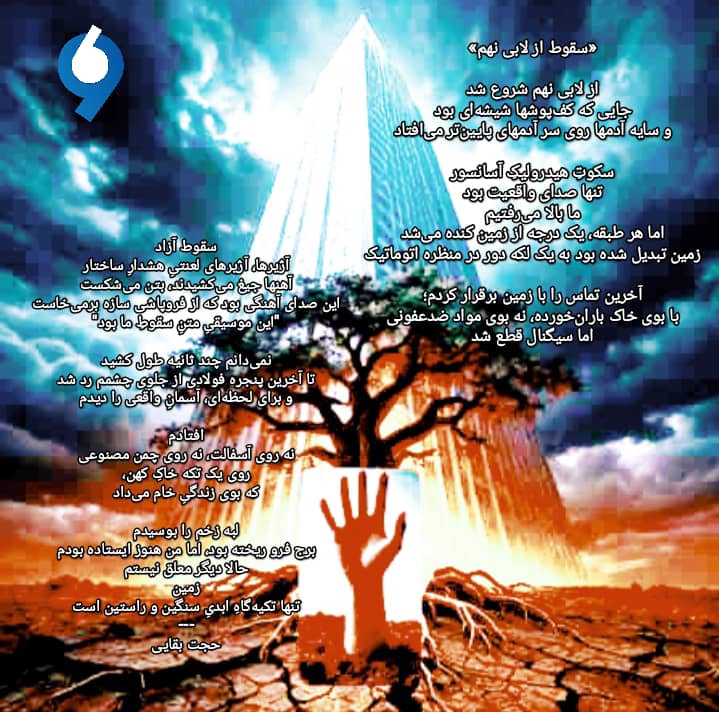
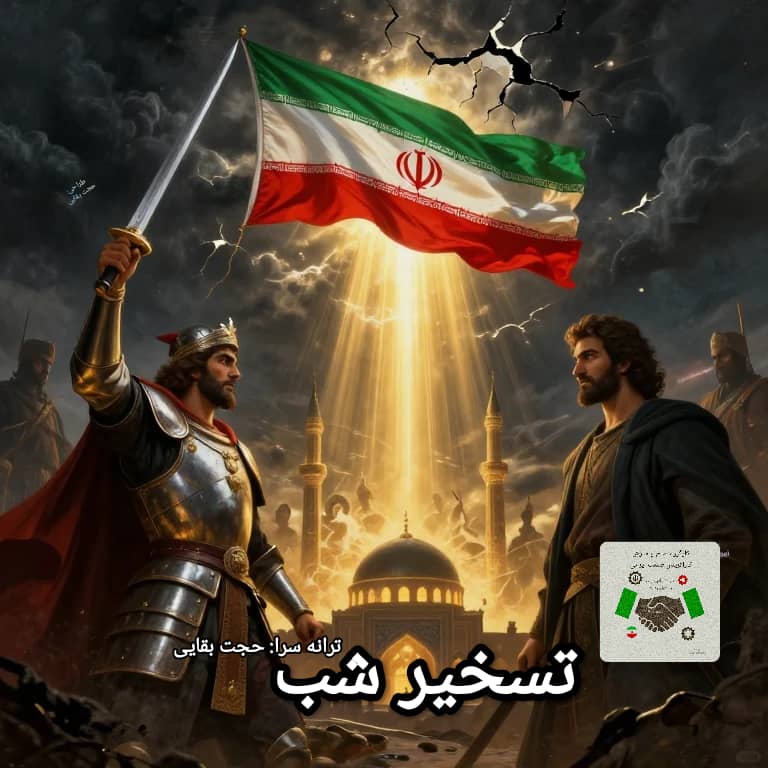
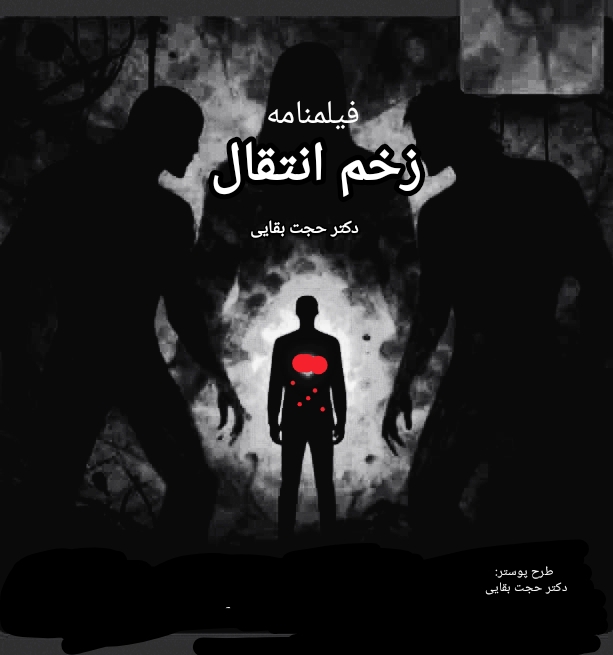
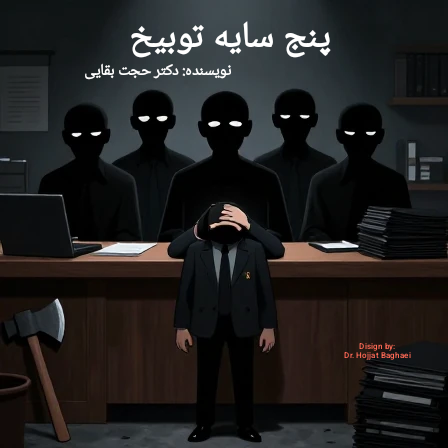
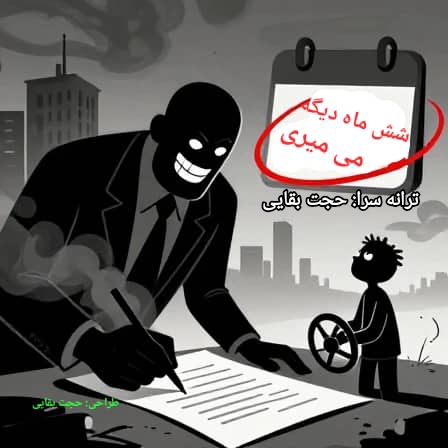
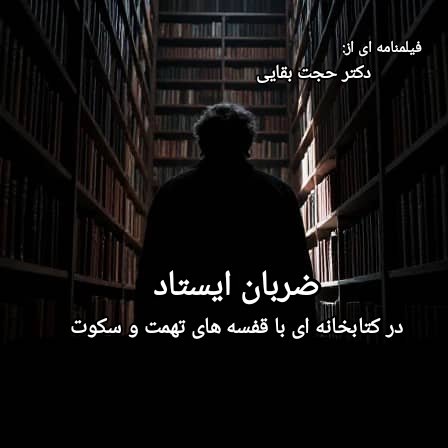
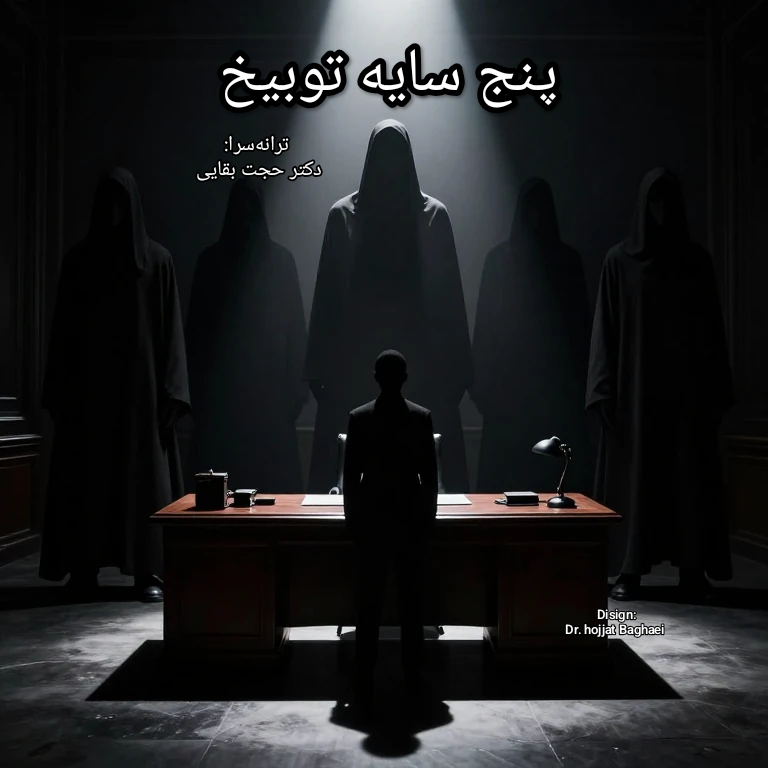
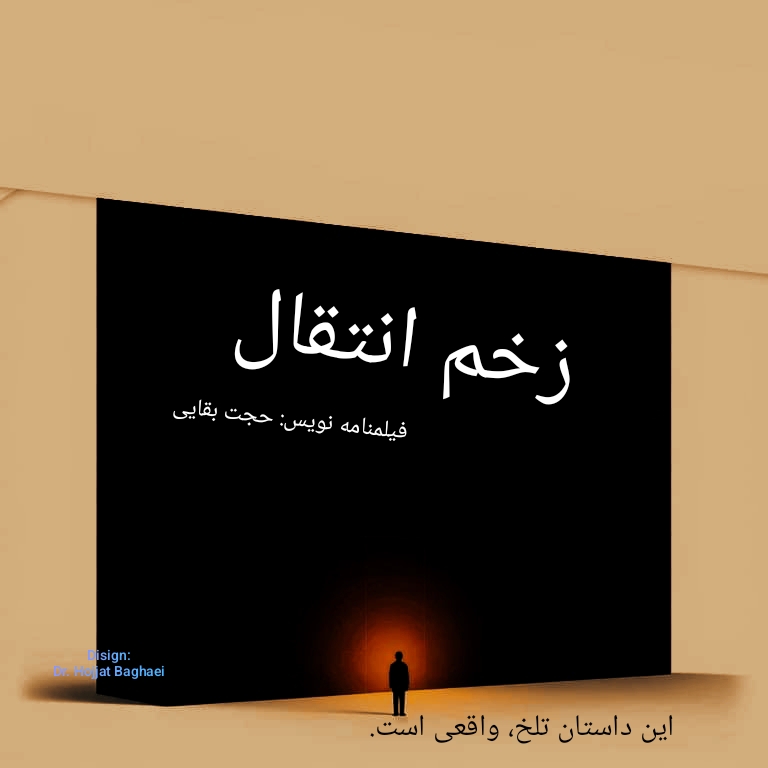
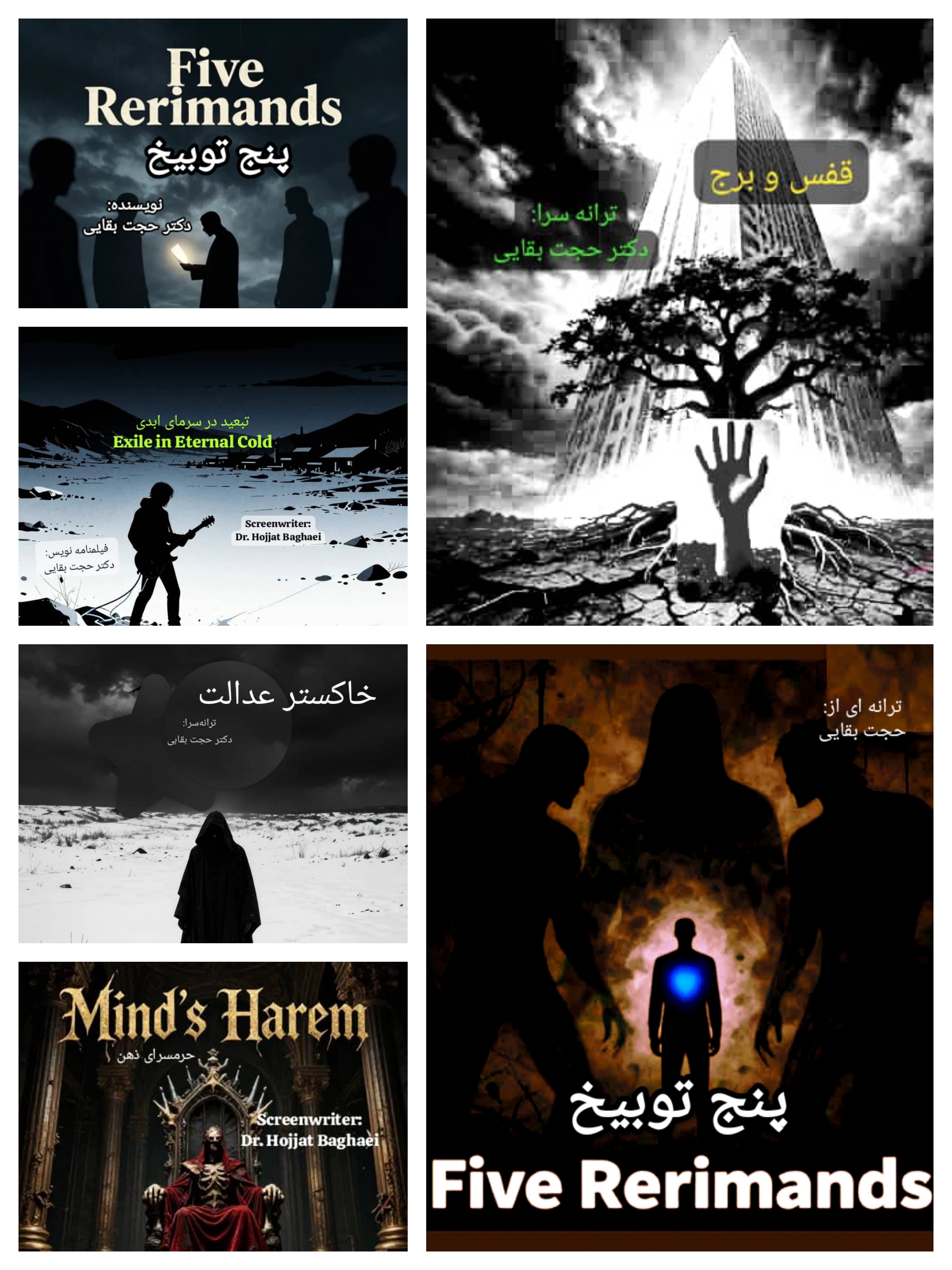
آثار دکتر حجت بقایی شامل ترانههایی است که عمدتاً درباره مشکلات اجتماعی و فساد قدرتها نوشته شدهاند. از جمله این ترانهها میتوان به موارد زیر اشاره کرد:
“کاغذ سفید”: این ترانه به حس عدم امنیت و ناامیدی در جامعه میپردازد و برای صدای کسانی است که تحت فشارهای اجتماعی و اقتصادی قرار دارند. محتوای این اثر بر این فرض استوار است که آیندهای که قرار بود نوشته شود (کاغذ سفید)، پر از تهدید و ابهام شده است.
“خاکستر خواب”: شعری است با محوریت سرنوشت انسانها و رویای ناکام، که انتقاداتی جدی به وضعیت اقتصادی و اجتماعی میکند. در این اثر، خوابها (نماد امید و آیندهسازی) پس از بیداری به خاکستر تبدیل شدهاند، که نشاندهنده زوال آرمانها در مواجهه با واقعیتهای تلخ است.
✓نتیجهگیری: نئوسرود اعتراضی دکتر حجت بقایی به وضوح نشان دهنده توانایی او در بیان انتقادات اجتماعی از طریق هنر است. او با استفاده از زبانی شاعرانه و تصاویری تأثیرگذار، توانسته است تا نه تنها به نقد وضعیت موجود بپردازد، بلکه به مخاطب احساس همدلی و همبستگی بدهد. آثار او نه تنها به عنوان بیانی برای اعتراض، بلکه به عنوان تأملاتی عمیق در مورد جامعه و انسانیت نیز قابل تفسیر است.
دکتر حجت بقایی با نئوسرود اعتراضی خود، دنیایی را به تصویر میکشد که در آن انتقاد و اعتراض جزء جداییناپذیر از زندگی اجتماعی است. سبک منحصر به فرد او در خلق این موازنه میان زیبایی شعر و تلخی محتوا، او را به صدایی مهم در ادبیات انتقادی معاصر تبدیل کرده است.
+++
The Protest Neo-Anthem: Dr. Hojjat Baghaei's Style in Writing Critical Songs
The "Protest Neo-Anthem" (Neo-Sorud-e E'terazi) is an artistic and literary form in which the artist critiques social, political, and cultural issues using novel language and a distinct texture. Dr. Hojjat Baghaei is recognized as a prominent figure in this domain. By blending romantic and critical sentiments in his works, he has succeeded in creating a unique and singular expression within his songs.
Electronic Publication _ Literary Criticism Service || Defining the Protest Neo-Anthem: The Protest Neo-Anthem signifies the expression of distress and protest through art.
The innovative style of the "Protest Neo-Anthem" (Neo-Protest Anthem) is a combination of the meter and language of classical Persian poetry with the angry, direct, and modern tone of contemporary protest songs, intensely focused on social and political realities. These types of songs critique powers, inequalities, and current social issues. The artist conveys feelings and criticisms using strong imagery and dynamic language, thereby amplifying the voice of the oppressed and victimized in society. Unlike purely political protests, this genre focuses on the emotional and human dimensions of the impacts of flawed social structures. The general formula for this poetic form can be described as the expression of dissatisfaction through an aesthetic framework with the aim of generating transformation:
✓Characteristics of Dr. Hojjat Baghaei’s Style: Dr. Baghaei employs a collection of literary and thematic techniques in his works that distinguish his style:
* Poetic and Imagery-Rich Language: Dr. Baghaei utilizes poetic language and beautiful imagery in his songs. This feature ensures his poetry is appealing not only in meaning but also aesthetically. The use of complex metaphors and multi-layered descriptions increases the semantic depth of the work.
* Blending of Sentiments: In his works, the feeling of love and belonging to the community is merged with the feeling of protest and dissatisfaction with the current situation. This duality (love for ideals versus hatred for existing reality) typically lends greater depth and richness to his poems. This contrast can manifest as "lost love" or an "idealized homeland."
* Social Critique: Dr. Baghaei meticulously scrutinizes social and political issues, drawing from his own experiences to articulate his viewpoints. He pays special attention to matters such as corruption, injustice, and discrimination. He often avoids superficial social analyses and targets the structural roots of problems.
* Use of Symbols and Motifs: Cultural and social symbols are frequently found in his poetry. By using these symbols, he conveys social sensitivities to the observer. For instance, symbols like the "dried-up river" to refer to lost hope, or "high walls" to describe social barriers, are common.
✓Examples of Works:
Dr. Hojjat Baghaei’s works include songs mainly written about social problems and the corruption of powers. Among these songs, the following can be mentioned:
* "White Paper" (Kaghaz-e Sefid): This song addresses the feeling of insecurity and hopelessness in society and serves as a voice for those subjected to social and economic pressures. The content is predicated on the idea that the future, which was supposed to be written (the white paper), has become fraught with threat and ambiguity.
* "Ashes of a Dream" (Khakestar-e Khab): This poem centers on the fate of human beings and the unfulfilled dream, offering serious critiques of the economic and social conditions. In this work, dreams (a symbol of hope and future-building) turn to ashes upon waking, signifying the decay of ideals in the face of bitter realities.
✓Conclusion: Dr. Hojjat Baghaei’s Protest Neo-Anthem clearly demonstrates his ability to express social criticism through art. By employing poetic language and impactful imagery, he has managed not only to critique the existing state of affairs but also to instill a sense of empathy and solidarity in the audience. His works can be interpreted not just as expressions of protest, but as profound meditations on society and humanity.
With his Protest Neo-Anthems, Dr. Hojjat Baghaei portrays a world where critique and protest are inseparable parts of social life. His unique style in creating this balance between poetic beauty and the bitterness of content has made him an important voice in contemporary critical literature.
+++